
The first frost on the windshield is a signal every classic car owner knows. The season of long drives dwindles, and the garage begins to feel less like a workshop and more like a vault. Learning **how to store a classic car for winter** is not simply a maintenance task—it is an act of respect for the machine and for the memories it carries. A proper winter lay-up, done with care, ensures your car emerges in spring ready to be driven, not resuscitated.
Why Winter Storage Demands More Than a Tarp
Covering your car with a sheet of plastic or a generic car cover is not storage; it is neglect. **How to store a classic car for winter** begins with understanding that temperature swings, humidity, and pests are far more damaging than the road salt you avoided. A classic car’s paint, rubber seals, metal surfaces, and mechanical systems all suffer when left unattended in a cold, damp environment. The goal is to create a stable microclimate—one that slows rust, preserves lubricants, and keeps the car ready to run.
Think of your car as a living artifact. Just as a painting requires a climate-controlled room, a classic car asks for a garage that is dry, well-ventilated, and preferably heated at least enough to keep the temperature above freezing. A cold concrete floor can wick moisture upward into the chassis, so a layer of sealed plywood or a quality floor mat is a wise addition. This is not about expense; it is about foresight.
The Ritual of Preparation: Fluids, Tires, and the Right Wash
Before you button up the garage, every system should be prepared for hibernation. Start with a thorough wash—not just for aesthetics, but to remove road salt and grime that can etch paint and corrode underbody components. Dry the car completely, paying attention to door jambs, hood seams, and the trunk lip. A coat of wax adds an extra layer of protection. This is also the moment to check for any small stone chips or scratches; touch them up to prevent rust from starting over the winter.
Then, turn to the mechanicals. Change the oil and filter before storage. Acidic combustion byproducts can settle in the engine and cause etching on bearings. Fresh oil provides a protective coating. Fill the fuel tank to the brim and add a fuel stabilizer—this prevents condensation inside the tank and keeps fuel from degrading. Run the engine for a few minutes to circulate the treated fuel and oil.
Tires are often overlooked. They develop flat spots if left stationary under weight for months. Inflate them to the recommended pressure, and if possible, lift the car onto jack stands to take the weight off the suspension and tires. If you must leave it on the ground, move the car a few inches forward or backward every few weeks to change the contact patch.
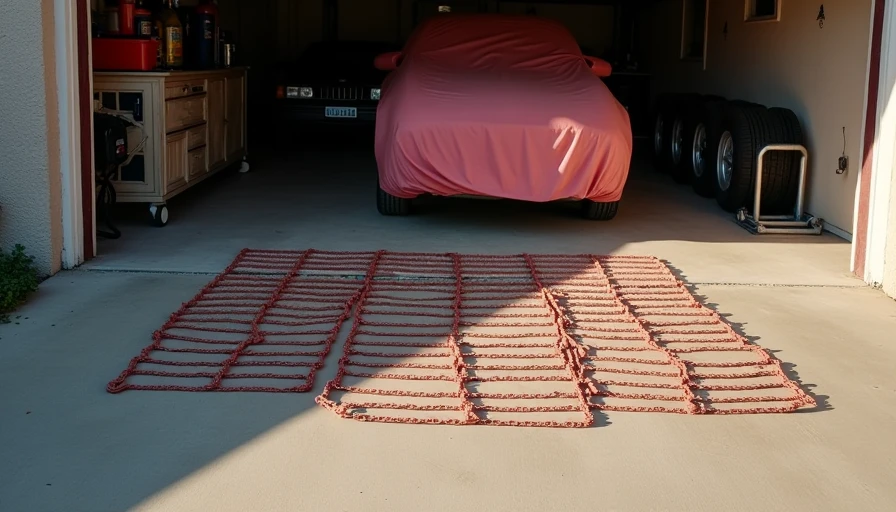
Climate, Covering, and the Quiet Space
Where you store the car matters as much as how you prepare it. A detached garage with good seals and roof insulation is better than a drafty barn. If you cannot heat the space, consider a dehumidifier or moisture-absorbing products like silica gel packs placed in the cabin and trunk. The interior should be clean and dry—remove any food wrappers, trash, or damp items that could invite mold or mice.
Choosing the right cover is an art. A breathable fabric cover—flannel-backed or specifically designed for indoor storage—allows moisture to escape while protecting the paint from dust and accidental scratches. Never use a plastic tarp directly on the paint; it traps moisture and can cause the finish to blister. For truly long-term storage, some owners use a car capsule, a sealed plastic bubble with a fan that circulates air. That is an option if budget allows, but not necessary for most.
Now, consider the car itself. It sits in the darkness of the garage, holding its shape, waiting. There is something poignant about a classic car in winter storage—a promise of renewal. “The best cars do not demand attention. They keep it.” Even in silence, a well-stored car keeps its character.
Battery, Rodents, and the Maintenance Schedule
Two of the biggest threats to a stored car are a dead battery and hungry rodents. Connect a trickle charger or battery maintainer to keep the battery at full charge. Disconnect the negative terminal if you prefer, but a maintainer is better because it conditions the battery and prevents sulfation. Place the battery on a piece of wood or rubber mat if the garage floor is damp.
Rodents can destroy wiring, upholstery, and even air filters in a single winter. Use deterrents like peppermint oil-soaked cotton balls placed around the engine bay, inside the cabin, and near any entry points. Steel wool packed into exhaust tips and air intake openings can stop them from nesting. Check the car every few weeks—lift the cover, inspect for droppings, and run the engine for ten minutes (if safe and allowed) to circulate oil and warm components. This also helps seat seals and keeps the engine lubricated.
A maintenance log is a good habit. Record the date of your preparation, any work done, and the dates of your periodic checks. This turns storage into a planned ritual rather than a haphazard worry.

A Gentle Awakening in Spring
When the days lengthen and snow melts, the temptation is to fire up the engine and drive immediately. Resist. A proper reintroduction is part of **how to store a classic car for winter** successfully. Before you take it out, check tire pressure, fluid levels, and battery charge. Remove any steel wool from the exhaust and intakes. Look for signs of leaks or rodent damage. Start the engine and let it idle until it reaches operating temperature, then take a short, gentle drive to shift through all gears and allow suspension components to flex and settle.
This is the moment your winter preparation pays off. The car should feel alive, not sluggish. The brakes will be smooth, the tires round, the engine responsive. If you followed a thoughtful storage routine, your classic car will reward you with a seamless transition back to the open road.
Storing a classic car for winter is more than a mechanical procedure; it is a quiet conversation between owner and machine. You give it care, and it gives you years of faithful service—and the memory of the drive that awaits when the frost finally lifts.