
The best camera settings for car photography are not about chasing the sharpest spec sheet. They are about understanding what draws the eye to a machine's most telling details — the sweep of a fender, the way light bends across a roof line, the quiet tension in a wheel arch. For anyone who has stood in front of a great car and felt the urge to preserve that presence, the camera is a tool of translation, not documentation. And the settings you choose are your vocabulary. This guide is for the photographer who wants to speak that language with restraint and precision, whether you are shooting a concours lawn or a friend's garage find.
Understanding Light and Atmosphere
Before dialing in any number, consider the light. Car photography has a reputation for favoring golden hour, and that reputation is earned. Soft, low-angled sunlight reveals the contours of sheet metal without harsh glare. But overcast days have their own quiet advantage — they diffuse light evenly, eliminating hard shadows and allowing the car's color and form to speak without competition. Parking garages and shaded urban corners can also yield moody, reflective images. The best camera settings for car photography always begin with the question: what does this light demand? If the scene is contrasty, you might prioritize aperture to control depth; if dim, you might raise ISO with intention rather than panic.
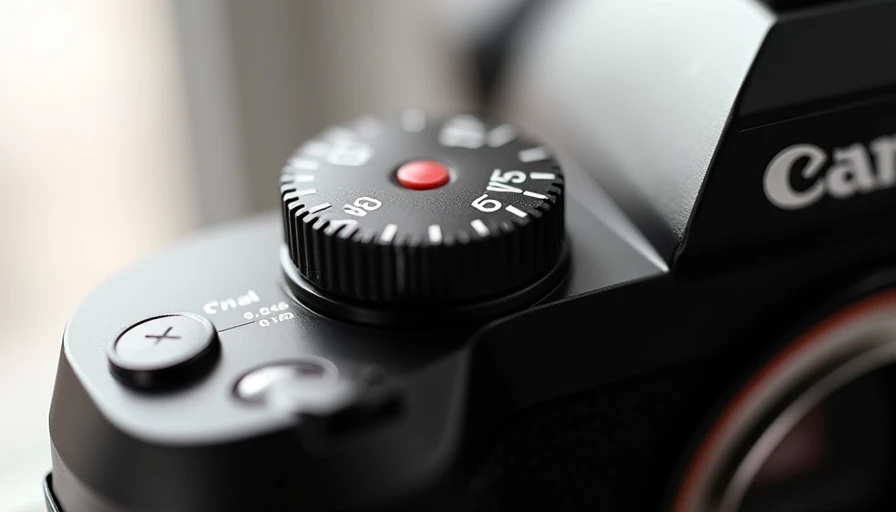
Aperture and Depth of Field
Aperture is where most photographers find their first meaningful choice. A wide aperture (f/1.8 to f/2.8) isolates a detail — the badge, the headlight, the stitching on a seat — against a soft, blurred background. This is especially effective for emphasizing character elements that define a marque. But a stopped-down aperture (f/8 to f/11) keeps an entire car sharp from grille to taillight, which is essential for full-car shots or when you want the environment to remain contextual. For most exterior shots of a complete vehicle, f/5.6 to f/8 offers a healthy balance. The best camera settings for car photography use aperture to guide the viewer's attention, not to overwhelm it.
Shutter Speed and Motion
Shutter speed controls both sharpness and the feeling of motion. For static shots, a fast shutter (1/125s or higher) will freeze any camera shake, especially if you are shooting handheld. For rolling shots — where the car moves while you track it from another vehicle — experiment with shutter speeds around 1/30s to 1/60s. This blurs the background while keeping the car relatively crisp, suggesting speed without losing detail. A tripod or monopod is invaluable for slower shutter work, and a polarizing filter can help cut windshield reflections. The interplay of shutter and lighting is one of the quieter variables in the best camera settings for car photography, but it rewards patience.
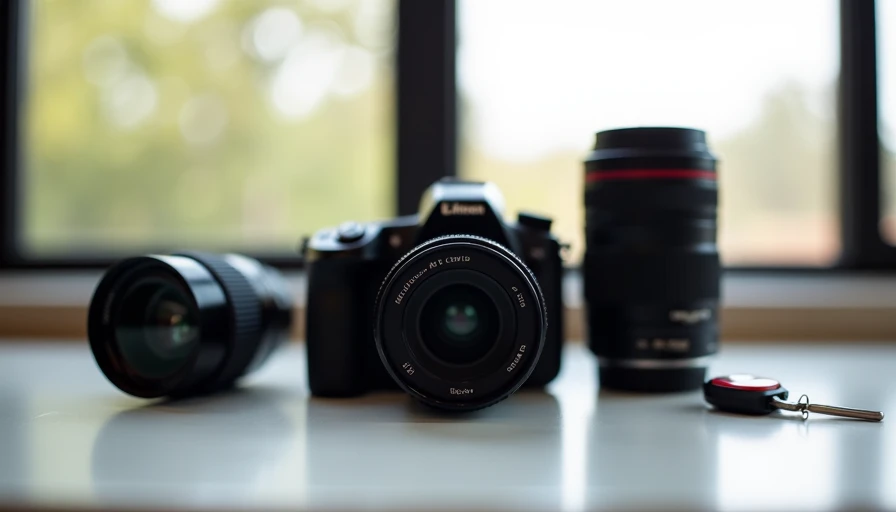
ISO and Noise
ISO is often treated as a necessary evil, but modern cameras handle moderate ISO with surprising grace. For most daylight car photography, ISO 100 to 400 is ideal — it preserves dynamic range and color depth. When dusk or interior shooting demands more sensitivity, do not fear ISO 800 or even 1600 on a decent body. The noise that appears often resembles film grain, which can actually suit automotive images with a vintage or editorial mood. The trick is to expose correctly in camera; lifting shadows in post-production amplifies noise far more than a slightly higher ISO would. The best camera settings for car photography treat ISO as a creative knob, not a compromise.
Composition and Restraint
Settings are only half the equation. Composition determines whether those settings serve a coherent image. Resist the urge to fit the entire car into every frame. A three-quarter front view can be iconic, but a tight crop on a single line — the shoulder of a fender, the arc of a roof — often carries more emotional weight. Use negative space to let the car breathe. Keep the horizon level unless you have a deliberate reason not to. And avoid cluttered backgrounds: a great car in a parking lot is still a great car, but the photograph will fight for attention. The most refined automotive photography often leaves you wanting to see more.
Post-Processing with a Light Touch
Digital post-processing is a powerful tool, but overcorrection can strip a car of its material presence. Adjust exposure and contrast to match what your eye saw, not what you think should impress. A slight boost in clarity can define edges, but go easy on saturation — real car paint seldom looks like a cartoon. If you shoot raw, you have flexibility to recover highlights in a white car or deepen shadows on a dark one. Graduated filters can even out a bright sky. The goal is to enhance, not invent. The best camera settings for car photography are part of a workflow that respects the subject.
The best cars do not demand attention. They keep it. The same is true of the photographs we make of them. Let the settings be quiet, deliberate, and in service of the machine's own story.