
There is a quiet magnetism to a well-preserved classic car—the way light catches a fender curve, the smell of old leather and oil, the sense of time compressed into steel and glass. For many enthusiasts, the question eventually surfaces: are classic cars a good investment? The answer, as with most things that stir both heart and wallet, is layered.
The Financial Case for Collecting Classics
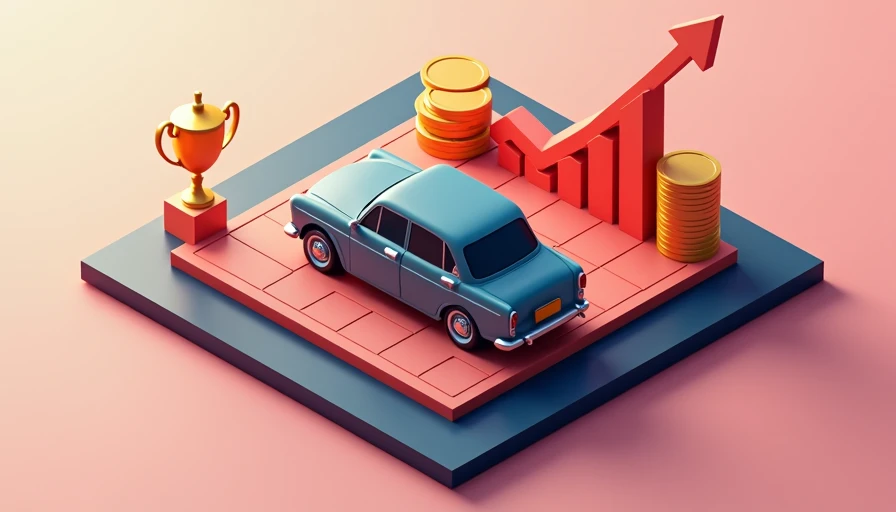
Over the past two decades, certain segments of the classic car market have delivered returns that rival or even exceed traditional asset classes. Air-cooled Porsche 911s from the 1970s, for instance, have appreciated dramatically—a pristine 1973 Carrera RS that might have sold for $50,000 in the early 2000s can now command well over $500,000. Ferrari 250 GTOs have become eight-figure assets, and even more accessible models like the Datsun 240Z have seen steady gains. The pattern is real: scarcity, cultural cachet, and a growing global collector base have pushed values upward.
But this is not a universal truth. For every model that soars, a dozen others stagnate or decline. Market index data from Hagerty shows that while top-tier blue-chip cars have appreciated consistently, many mid-market vehicles have seen flat or cyclical performance. The key lesson? Treating the entire classic car market as a monolithic investment is a mistake. Knowledge of specific models and market conditions matters more than generic optimism.
The Hidden Costs of Ownership
Before answering “are classic cars a good investment” with a confident yes, one must account for the costs that rarely appear in auction results. Storage is a significant line item—a climate-controlled garage in a major city can cost $200–$500 per month. Insurance for an agreed-value policy runs perhaps 1–2% of the car’s value annually. Maintenance and restoration can devour budgets: a full engine rebuild on a vintage Jaguar E-Type might set you back $15,000, and simple annual upkeep—fluid changes, tire replacements, carburetor tuning—adds thousands more.
Then there are carrying costs. If you finance a classic car purchase, the interest charges amplify the total investment. Meanwhile, the car sits, depreciating in real terms due to inflation and opportunity cost. A 10% annual return in the stock market over five years would turn $50,000 into over $80,000. A classic car would need to appreciate significantly more just to break even after expenses.
Passion vs. Portfolio: When to Buy
The most honest answer to “are classic cars a good investment” is: they are a good investment if you would still buy them knowing they might lose money. The emotional return is real. Driving a 1965 Mustang on a summer evening, handing down a 1972 BMW 2002 to a child, or simply having a garage conversation piece holds value that no spreadsheet captures. The passionate collector who buys what they love tends to hold through market downturns, maintain the car properly, and eventually sell at the right time—often turning a profit precisely because they were not desperate.
On the other hand, investors who treat classic cars purely as an asset class often buy high, panic when markets soften, and sell into a loss. The most successful collector-investors I know started by buying cars they genuinely admired, then serendipitously discovered that demand grew around their choices. The 1980s Ferrari market bubble and the 2008 correction taught the same lesson: passion provides patience, and patience compounds returns.
Key Factors That Determine Investment Potential
If you are still asking “are classic cars a good investment,” consider the following attributes that separate appreciating assets from static hobbies. Rarity matters, but not all rarity is equal—production numbers under 1,000 units for desirable models (like the Porsche 356 Speedster) have more impact than obscure one-offs. Originality commands a premium; a car with matching numbers, original paint, and documented history will almost always outpace a restored example. Provenance—a notable previous owner or race history—can multiply value. And market demand shifts with demographics: muscle cars appeal to Boomers, while Japanese sports cars from the 1990s are rising among Gen X and Millennials.
Market timing is also crucial. Buying a model that is peaking in popularity (like air-cooled 911s in 2016) may leave little upside; entering before a trend matures—as happened with affordable British roadsters in the early 2010s—yields better returns. Do your homework, attend auctions, and speak with specialists. The adage “buy the best example you can afford” holds, but “buy what you know” is equally wise.
A Balanced Perspective
So, are classic cars a good investment? The nuanced answer is yes—if you bring patience, knowledge, and a willingness to absorb costs. For those who enter with a speculator’s urgency, the risks are real. But for the collector who finds joy in the hunt, the drive, and the preservation of history, a classic car rewards in ways that go beyond dollars. The best investments, after all, are the ones you would make even if no one ever offered you a return.
In the end, a classic car is not just an asset. It is a companion, a time capsule, and a quiet statement of character. Whether that makes it a good investment depends on what you are investing for.